.svg)
.png)
Lights and air conditioning are solar-powered.
Our Commitment
Our Sustainability Pledge
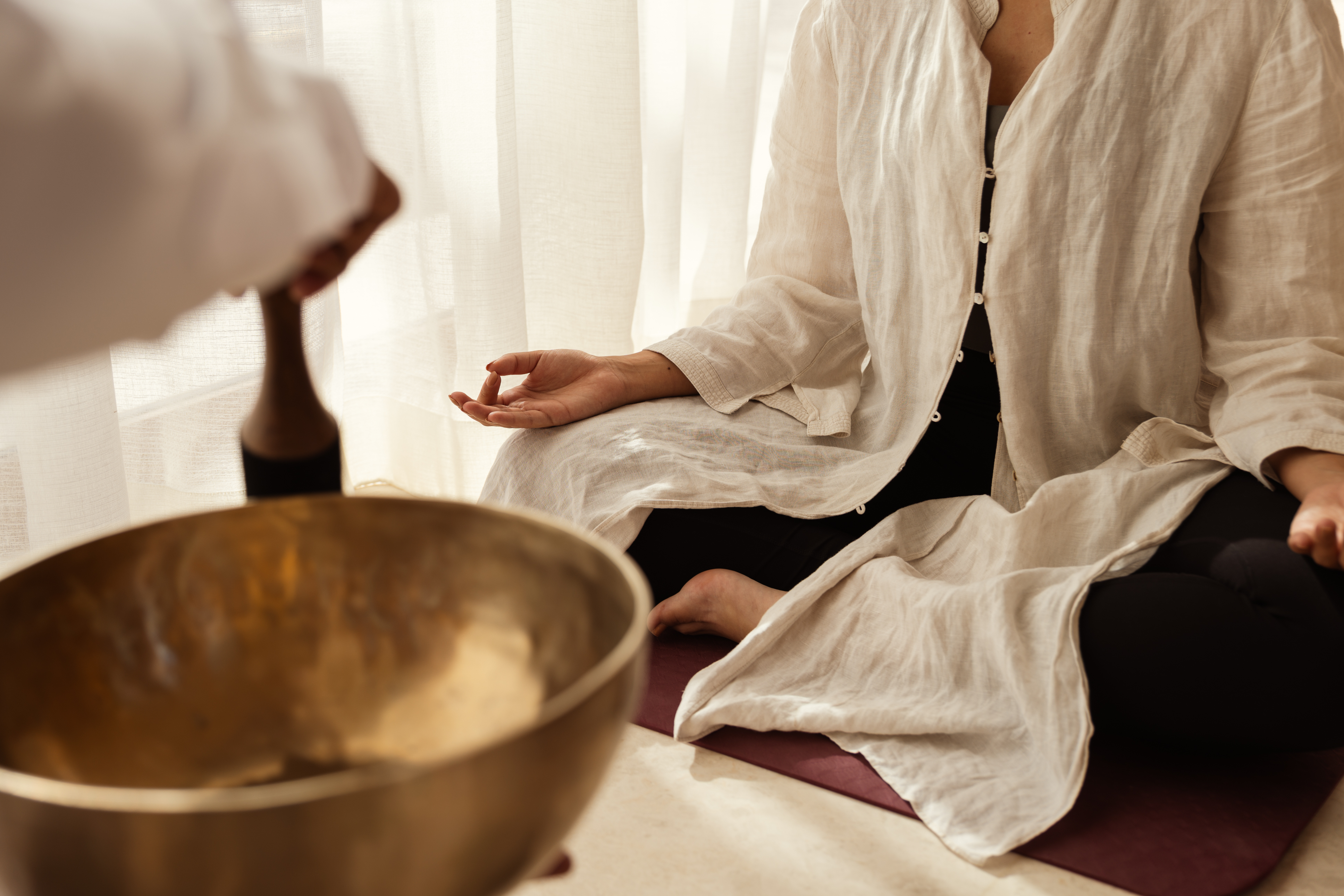
Our world is under pressure. Personal and planetary health are not separate questions.
From how the buildings face the breeze to how the waste water is treated, every decision here is made with the same intention: care for the person in front of us, and care for the place they are standing in. Renewable energy, water conservation, LEED-certified design. Small acts, measured and reported, and open to inspection.
Accountability
The MOSO Hub
The MOSO Hub is a working room, not a display. It is where resource consumption is tracked and reported publicly throughout the year — not as a showcase, but as an act of accountability.
It is also a space for education, participation, and craft. Guests are welcome inside it. The work does not stay behind closed doors.
True personal well-being rests upon a healthy planet. We hope you will join us.
Grown Here
The Farm Belt
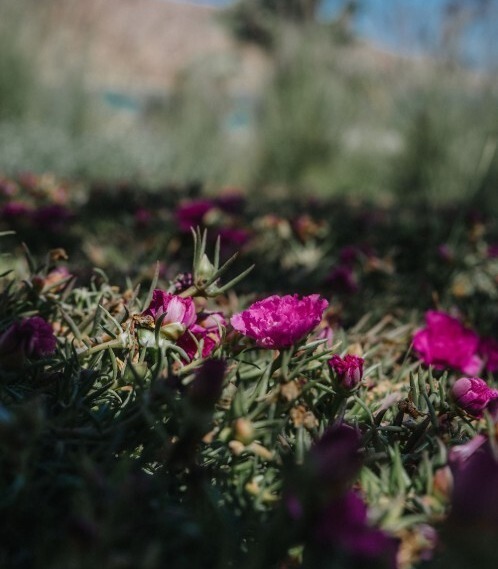
A belt of raised garden beds winds across the property, partially shaded by climbing plants. Seating and water features are woven in along the way — the Farm Belt is intended to be walked, not viewed from a distance.
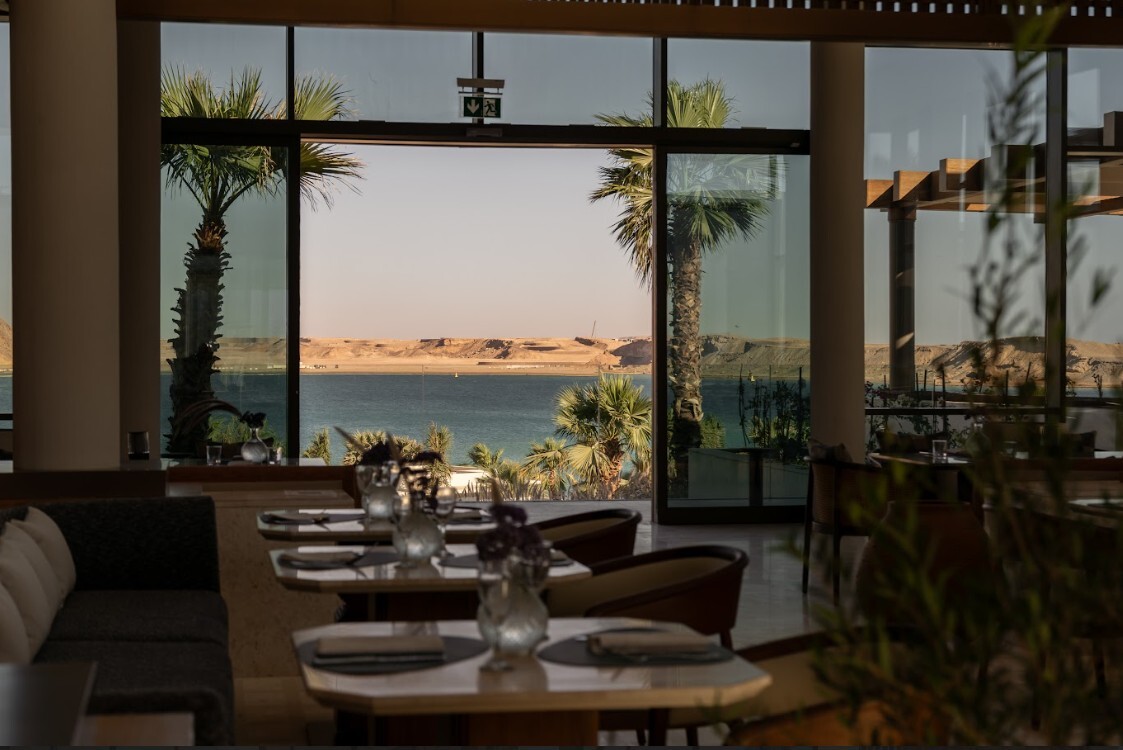
What grows here arrives in the kitchens first. When a guest sits down at Saratô or Loumi Rue, some of what is on the plate grew here. Nakeha, the cooking studio, is where guests learn what those ingredients are and what they do.
The Built Environment
How This Was Built
The buildings are sited to capture sea breeze and natural shade, with planting and orientation determined before mechanical cooling is introduced. LEED-certified design runs through the build.
.png)
Drinking water is bottled on-site; guests are encouraged to carry flasks.

Roof rainwater collectors feed the water system.
.png)
Waste water is recycled and treated.
Storm water is slowed for gradual drainage back into the land.
A Neighbour
The Coast We Keep
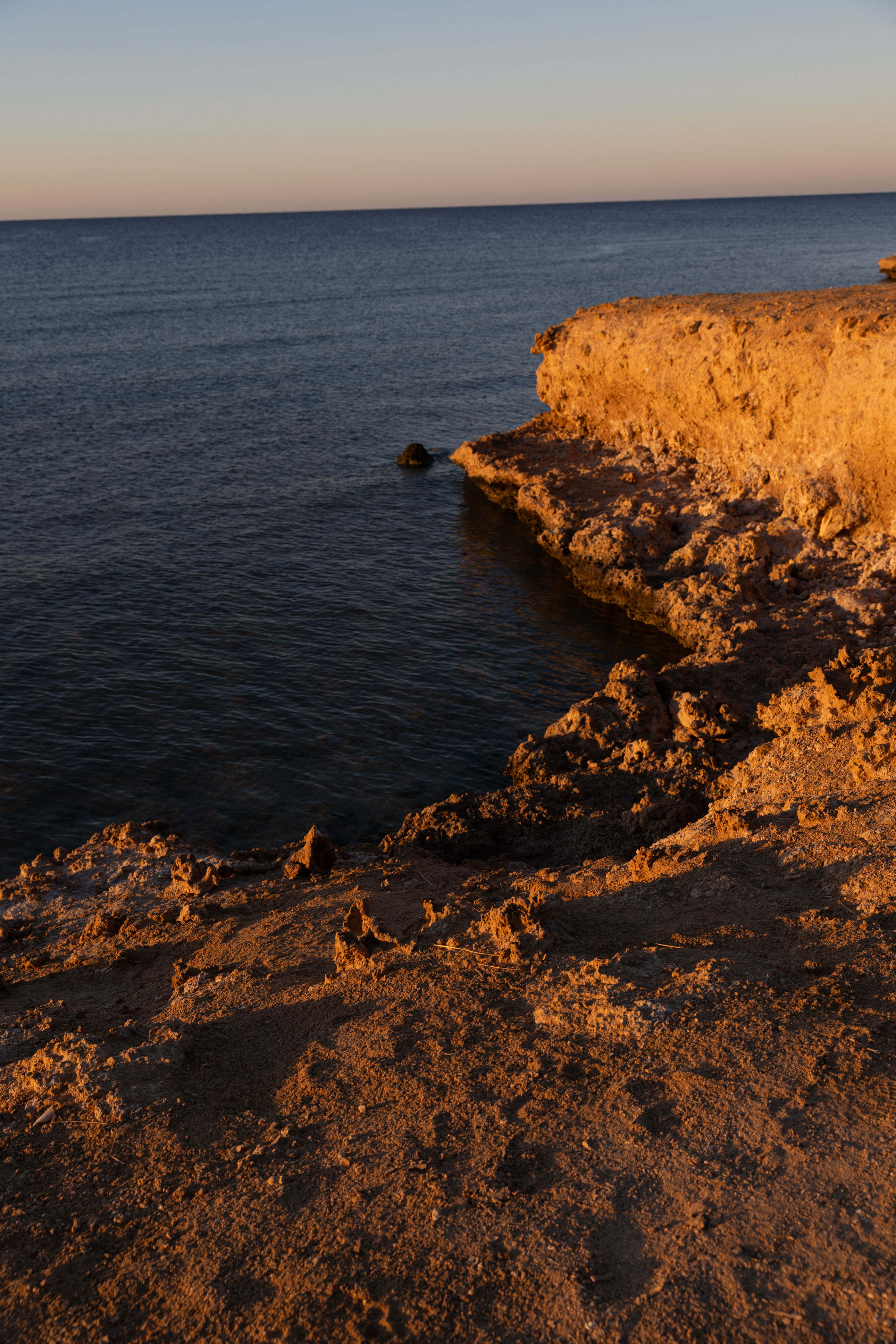
Jayasom sits on Saudi Arabia's Red Sea coast — one of the most biodiverse marine environments on earth. Turtles nest on the beach and Bees work in our gardens.
The property is a neighbour to the culture and communities of this coastline. What is learned from them shows up in the menus, the daily rhythm, and the texture of a stay. That relationship runs in both directions.
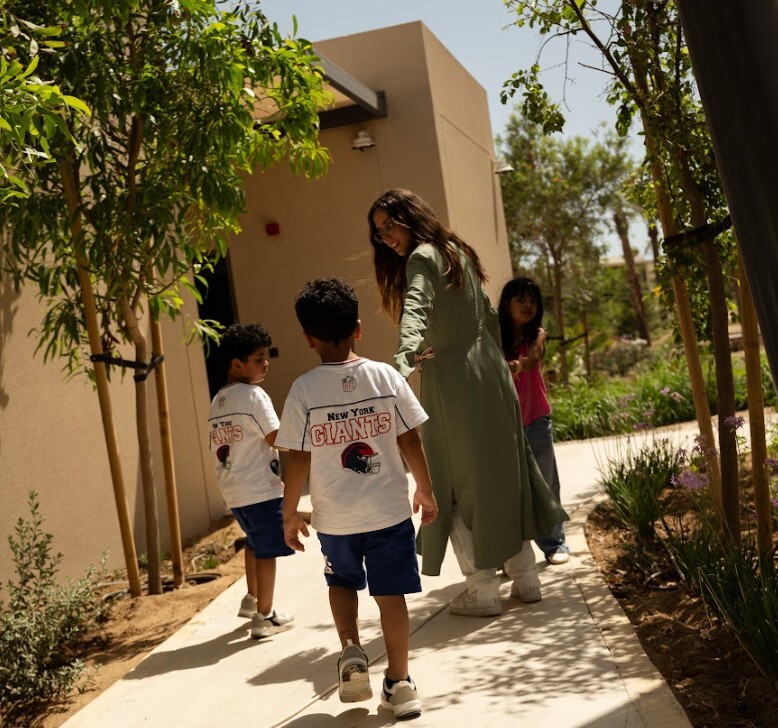
Sustainability at Jayela
Children visiting Jayela spend time at the MOSO Hub — the on-property sustainability centre. Sessions are hands-on: observing, building, learning where things come from and where they go. The colour garden, the Yasmeen Night Garden, and the outdoor areas are part of the same intention. This is not a classroom. It is just a property where the questions are taken seriously.