PROTOCOL 01
Dry cupping
Suction alone, with the cups placed for a measured time along areas of muscular tension or congestion. The practitioner selects placement points by traditional mapping.
.svg)
Preparing your experience
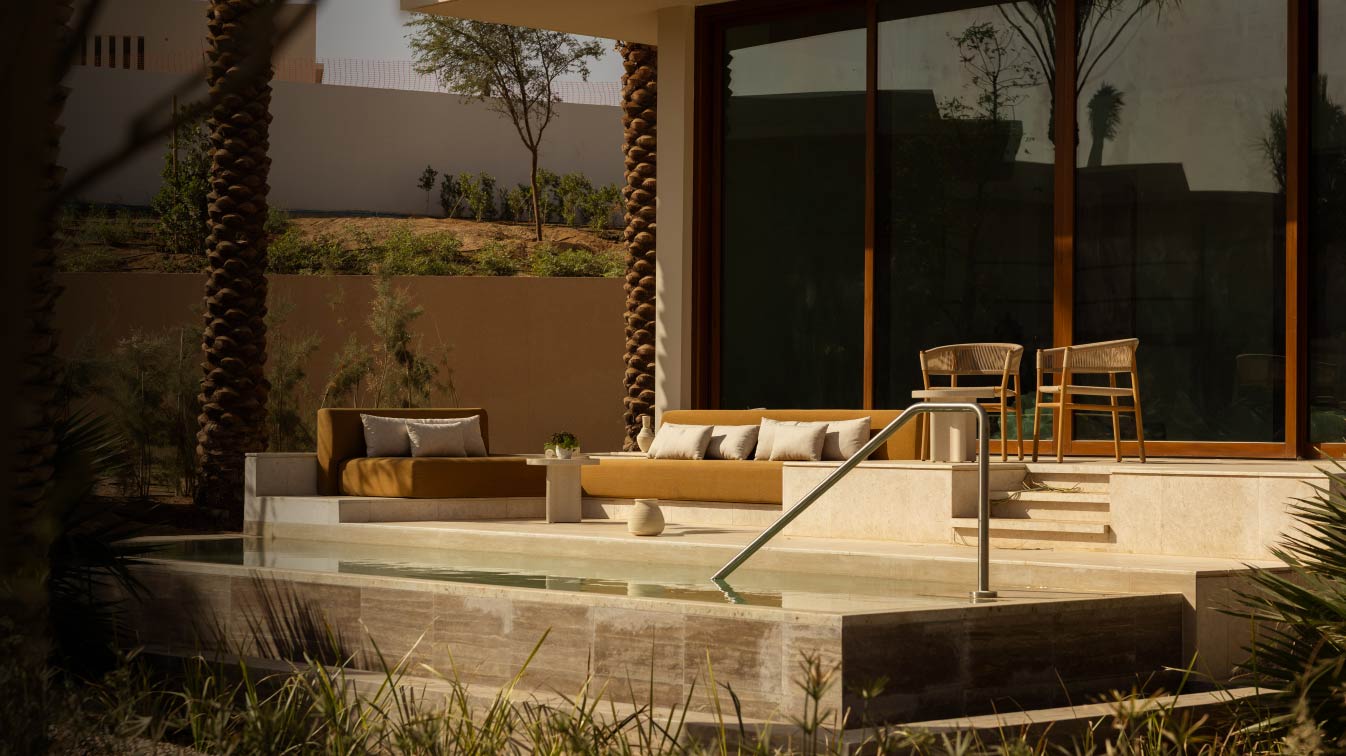
Traditional Arabic cupping therapy.
Hijama is an ancient Arabic healing tradition, practised across the region for centuries. The session uses suction cups placed along specific points to draw stagnant blood toward the surface and stimulate a localised healing response. The work sits within Jayasom's Traditional Arabic and Islamic Medicine practice, delivered with the safety standards and hygiene protocols a contemporary clinical setting carries.
The session offers two forms. Dry cupping uses suction alone, the cups placed for a measured time along areas of muscular tension or congestion. Wet cupping introduces a small superficial scoring under the cup, drawing a controlled volume of stagnant blood. The practitioner reads the body before placement, selects points by traditional mapping, and works within sterile single-use protocols.
Guests come to Hijama for stagnant pain that has not moved with conventional treatment, for circulation that runs sluggish, for a long-running tension pattern that the body has settled into. The work is small and constant, the kind that holds up across a year. The change registers as muscles that release more readily, circulation that runs warmer, a body that carries less stored holding.
A steady draw on the skin where each cup sits; the practitioner moves methodically through pre-mapped points along the back or shoulders; a brief warmth as each cup releases. No sharp pain; most guests describe pressure rather than discomfort.
PROTOCOL 01
Suction alone, with the cups placed for a measured time along areas of muscular tension or congestion. The practitioner selects placement points by traditional mapping.
PROTOCOL 02
Suction with a small superficial scoring under the cup, drawing a controlled volume of stagnant blood. Sterile single-use scoring instruments throughout.
Hijama draws on Body across the Therapeutic Pillars and sits within the resort's Traditional Arabic and Islamic Medicine practice. The protocol follows three stages.
STAGE 01 · READ
An initial reading of the body and brief; the practitioner selects between dry and wet protocols by what the body presents.
STAGE 02 · CLEANSE
A quiet cleansing of the placement areas. Cups are sterilised and single-use; scoring instruments are sterile and disposable.
STAGE 03 · PLACE
The placement itself. The session closes with light pressure work and rest.
Duration
A pre-session brief read with your Wellness Advisor; medical history reviewed; light meal cadence the day of, water before and after.
Hydration, light food, no strenuous activity for the rest of the day; cup marks fade across several days.
WHO DELIVERS THE SESSION
TRADITIONAL ARABIC AND ISLAMIC MEDICINE
Region-trained Hijama practice sits behind every session here, with lineage that matters. Cupping has been read across cultures for centuries; the version delivered at Jayasom draws on the Sunnah tradition while keeping attention on the modern clinical evidence base.
CULTURAL LINEAGE
Hijama is one of four treatments in the resort's Traditional Arabic and Islamic Medicine practice, sitting alongside the Living Heritage of Healing Karen Campbell first encountered with Midwife Fatimah at Al Wajh. The lineage is regional, the practice contemporary in its safety.
Common questions
Dry cupping uses suction alone, with the cups placed for a measured time. Wet cupping adds a small superficial scoring under the cup to draw a controlled volume of stagnant blood. The practitioner selects the protocol by what the body presents and the brief read at arrival.
Cups are sterilised and single-use. Scoring instruments are sterile and disposable. The practitioner reviews medical history before placement, selects points by traditional mapping, and works within the safety standards a contemporary clinical setting carries.
Honest answer: yes, in the way Hijama traditionally leaves marks. Round circles where the cups were placed will appear and fade across several days, the colour reading the practitioner uses to assess stagnation. The marks are not bruises in the painful sense; they are the visible record of the work.
Hijama is one of four treatments in the resort's Traditional Arabic and Islamic Medicine cluster, alongside Massage Al-Batin, Massage Al-Ra and Massage Al-Qadam. The practice is delivered with the safety and hygiene standards of a contemporary clinical setting, and read into a wider stay through a TAIM/Tibb consultation.
Jayasom Wellness Resort sits at AMAALA, on Saudi Arabia's Red Sea coast at Triple Bay. Hijama is delivered on-property within the Traditional Arabic and Islamic Medicine practice; one hour by car from Al Wajh airport.